- Feb 27
What Is a Sourdough Starter? (Beginner-Friendly Explanation)
- Stefany
- Starter
- 0 comments
If you’ve ever wondered why sourdough tastes different, digests differently, and feels more nourishing than regular bread… it all starts with the starter.
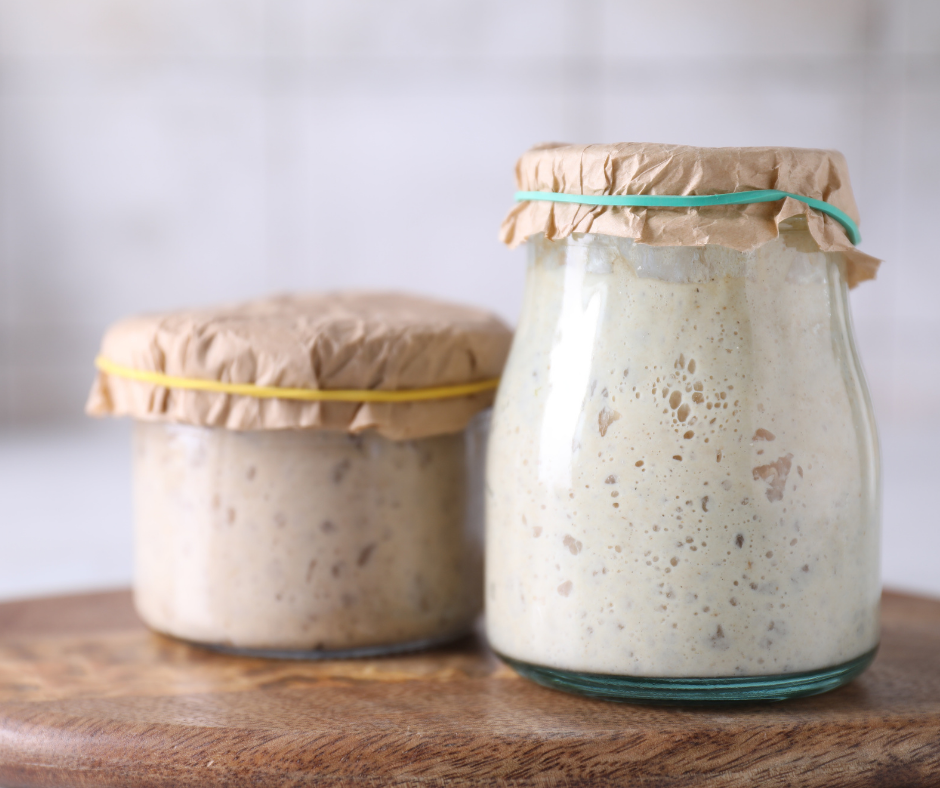
A sourdough starter is a living culture made from just two ingredients: flour and water.
When mixed together and left at room temperature, naturally occurring wild yeast and beneficial bacteria begin to develop. Over time, this mixture becomes active, bubbly, and capable of leavening bread without commercial yeast.
The key difference between sourdough and instant yeast breads is fermentation time.
Commercial yeast works fast. Wild yeast works slow.
That slower fermentation:
• Breaks down gluten more thoroughly
• Increases mineral absorption
• Produces organic acids that support gut health
• Develops deeper flavor
This is why many people find sourdough easier to digest.
A healthy starter should:
• Double after feeding
• Smell mildly sweet or slightly tangy
• Have visible bubbles throughout
• Form a slight dome when active
It does not need daily attention. In fact, once established, a starter can live in your refrigerator and only need feeding about once a week. The biggest misconception is that starters are fragile. They’re not.
They’re resilient once you understand the basics.
Inside my course, I teach a simplified maintenance rhythm so you never feel like you’re babysitting your starter.